
The Role of Creative Expression in Community Health Recovery

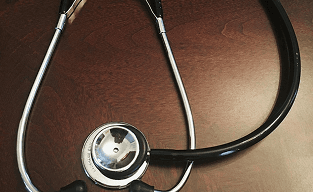
In the aftermath of trauma, whether from natural disasters, conflict, or prolonged hardship, communities often face invisible wounds that are just as debilitating as physical injuries. Traditional medical approaches, while essential, often fall short in addressing the deep psychological and emotional scars that can persist for years. This is where creative expression emerges as a powerful and often overlooked tool in community health recovery.
Across the globe, from war-torn regions to communities recovering from natural disasters, art therapy and creative expression programs are proving to be transformative in the healing process. These programs offer more than just a temporary distraction—they provide a pathway to processing trauma, rebuilding social connections, and restoring a sense of hope and normalcy.
The Science Behind Art Therapy
Research has consistently shown that creative activities can have profound effects on mental health. Engaging in art-making activates different areas of the brain than traditional talk therapy, allowing individuals to process emotions and experiences that may be difficult to express verbally.
"Art therapy provides a non-verbal outlet for emotions that might otherwise remain trapped inside," explains Dr. Amara Okafor, a clinical psychologist specializing in trauma recovery. "When people create art, they're not just making something beautiful—they're actively processing their experiences and working through complex emotions."
Community Murals and Collective Healing
One of the most powerful applications of creative expression in community recovery is through collaborative art projects, particularly community murals. These large-scale works bring people together to create something beautiful while processing shared experiences.
In post-conflict areas of Uganda, community mural projects have helped former child soldiers reintegrate into society. By working together to create vibrant depictions of peace, hope, and community, participants are able to process their traumatic pasts while building positive connections with their neighbors.
"The act of creating something beautiful together helps rebuild trust and social bonds that may have been damaged by conflict," says mural artist Samuel Tetteh, who has worked on numerous community healing projects. "It's not just about the final product—it's about the process of creation and the conversations that happen along the way."
Music and Rhythm in Recovery
Music therapy has also proven to be remarkably effective in community health recovery. Rhythmic activities, singing, and collaborative music-making can help regulate the nervous system, reduce anxiety, and foster a sense of unity.
Following the 2010 earthquake in Haiti, music therapy programs were implemented in displacement camps to help survivors cope with trauma. Drum circles, singing groups, and dance workshops provided not only emotional release but also a sense of normalcy and joy in the midst of chaos.
"Music has a unique ability to bypass the rational mind and speak directly to our emotions," says music therapist Marie Jean, who worked in Haiti. "When people sing or drum together, they're not just making music—they're regulating their nervous systems and building resilience."
Storytelling and Narrative Healing
Creative writing and storytelling programs offer another powerful avenue for healing. By putting their experiences into words, individuals can gain perspective on their trauma and begin to make sense of what they've been through.
In refugee camps around the world, storytelling workshops have helped displaced people process their experiences of loss and displacement. These programs often result in powerful collections of poetry, short stories, and personal narratives that not only aid in individual healing but also preserve cultural heritage and raise awareness about the refugee experience.
Intergenerational Healing
Creative expression programs are particularly effective in addressing intergenerational trauma. When elders and youth work together on art projects, they can process shared history while building bridges across age groups.
In indigenous communities across Africa, traditional art forms are being revitalized as part of broader healing initiatives. By reconnecting with cultural practices that may have been suppressed or lost, communities are able to heal not just from recent traumas but also from historical wounds.
Sustainable Impact
One of the most significant advantages of creative expression in community health recovery is its sustainability. Unlike some medical interventions that require ongoing professional support, creative practices can be continued independently by community members.
"Once people learn to use creative expression as a tool for managing their emotions, they have a resource they can turn to throughout their lives," says Dr. Okafor. "This creates a foundation for long-term mental health and resilience."
Integration with Traditional Healthcare
The most effective community health recovery programs integrate creative expression with traditional medical and psychological care. This holistic approach recognizes that healing involves the mind, body, and spirit.
Hospitals and clinics in several African countries have begun incorporating art therapy programs into their standard care protocols. These programs have shown particular effectiveness in treating patients with chronic conditions, helping them cope with pain, anxiety, and the emotional challenges of long-term illness.
A Path Forward
As the global community continues to grapple with the mental health impacts of conflict, displacement, and natural disasters, creative expression offers a powerful and accessible tool for healing. Its ability to transcend language barriers, engage people of all ages, and foster community connections makes it an invaluable resource in the field of public health.
The success of creative expression programs in community health recovery demonstrates that healing is not just about treating symptoms—it's about restoring dignity, hope, and a sense of belonging. Through art, music, storytelling, and other creative practices, communities are finding their way back from trauma, one brushstroke, note, or word at a time.
Related Articles
Empowering Young Minds Through Art Education in Rural Kano
Read More →
Clean Water Initiatives: How Art Communities Are Making a Difference
Read More →